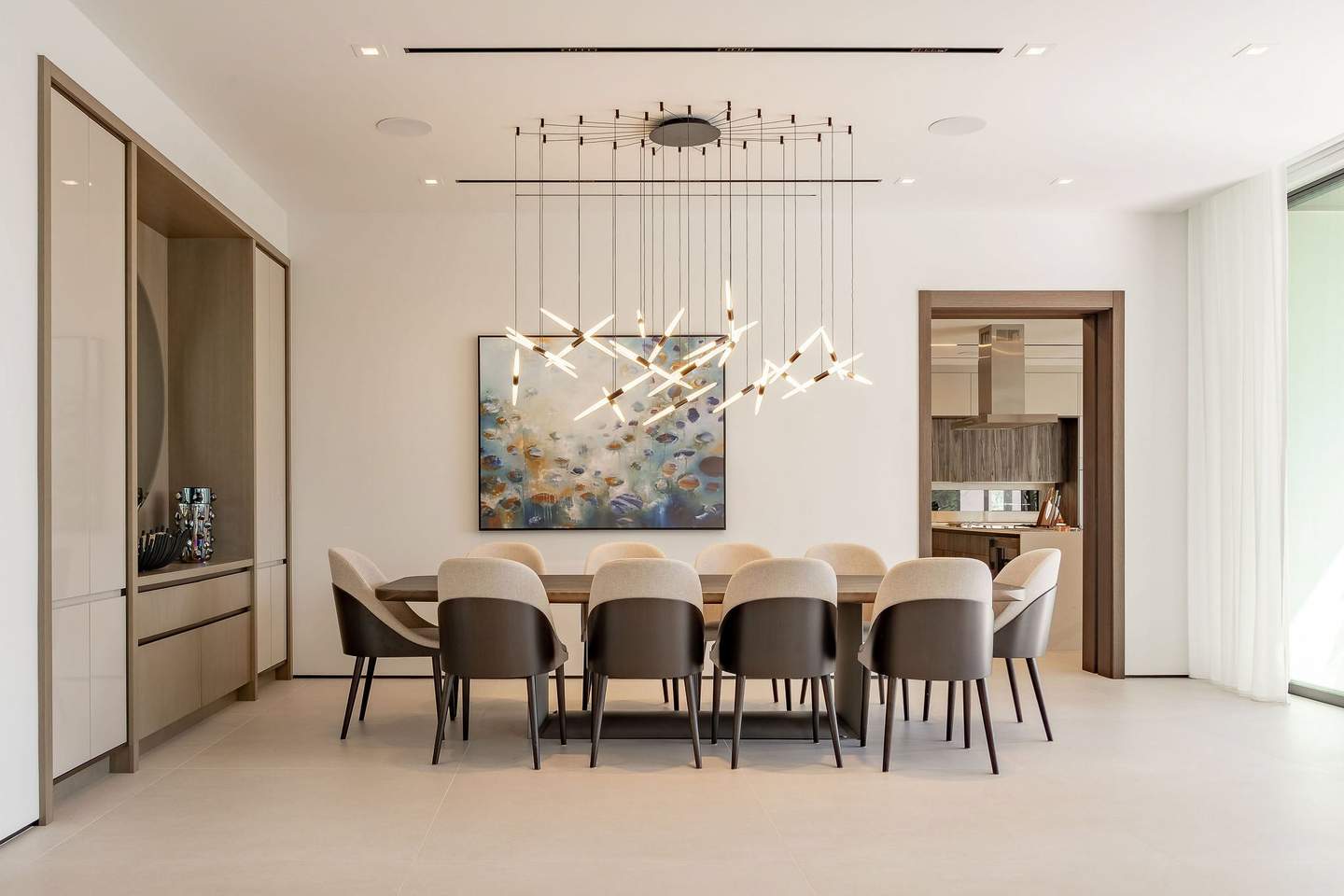
Real estate photography is the creation of professional visual assets used to market a property for sale, lease, rental, development, or portfolio use. It is not only a set of room photos for the MLS, but often the first serious presentation a buyer, renter, investor, or agent sees.
The job of real estate photography is simple to describe yet difficult to do well: show the property clearly, make it stand out online, and give people enough information to decide whether the property is worth their time.
That last part matters because many listings look the same online, and buyers scroll past rows of wide, bright, overprocessed images. A stronger real estate photography package gives the property a clearer point of view without making it look artificial.
That can include:
| Asset | Why it matters |
|---|---|
| Interior photography | Shows room layout, scale, light, finishes, and how the main living spaces connect. |
| Exterior photography | Establishes curb appeal, entry, landscaping, outdoor living areas, pool, driveway, dock, and overall property condition. |
| Detail images | Draws attention to materials, appliances, millwork, fixtures, design choices, and craftsmanship that may not be obvious in wide room photos. |
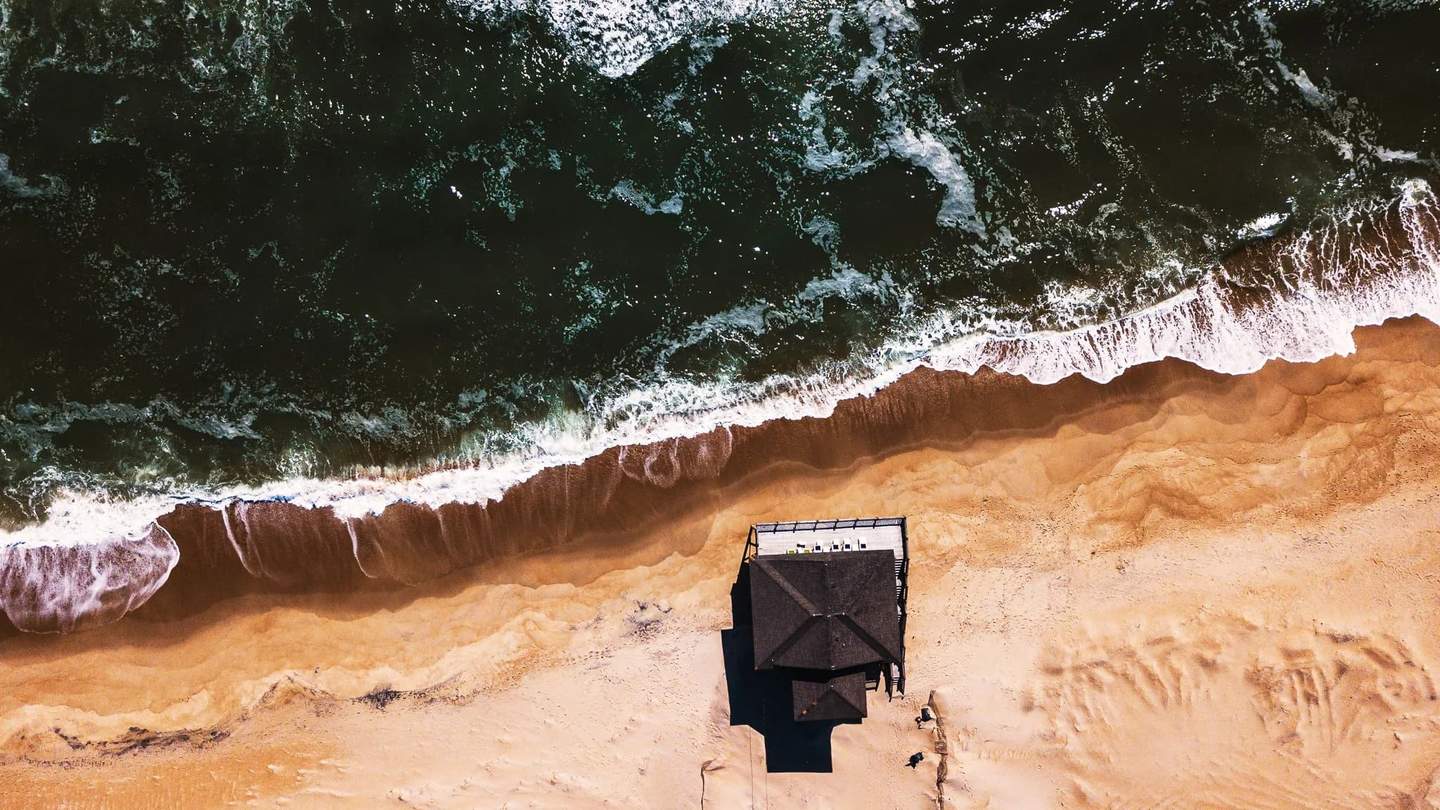
| Drone and aerial photography | Shows location, lot shape, water access, privacy, skyline, surrounding properties, and context that ground photos cannot show. |
| Video walkthroughs | Helps buyers understand flow, movement, lifestyle, and how one space leads into the next. |
| Matterport and 3D virtual tours | Gives remote buyers spatial confidence through layout, room relationships, measurements, and a self-guided walkthrough. |
| Floor plans | Makes the layout easier to understand, especially for multi-level homes, condos, rentals, and unusual floor plans. |
| Twilight photography | Works best when exterior lighting, pools, landscape lighting, skyline, or waterfront views add value after sunset. |
| Social media and listing files | Makes the final media usable across MLS, brokerage sites, email, social platforms, and marketing campaigns. |
Not every property needs every asset. A small condo, a waterfront estate, a short-term rental, a developer launch, and a builder portfolio shoot all need different decisions. The right real estate media package starts with the use case.
Why Good Real Estate Photography Matters Before Buyers Visit
Most buyers form an opinion of a property before they visit it. They see the listing on a phone, a brokerage site, Zillow, social media, an email, or a shared link. If the photos feel generic, distorted, overprocessed, or incomplete, the property has already lost some trust before the showing begins.
This matters even more in markets where buyers may be remote or international. In Miami and South Florida, it is common for people to evaluate properties from another city or country before they decide to travel, schedule a showing, or make a serious inquiry.
In some cases, especially with international buyers, the purchase decision may be made without an in-person visit. The images are not just marketing. They are the showing.
The 2200 N Ocean Dr commission shows what that means in practice: a 3,200-square-foot oceanfront residence at Auberge Beach Residences & Spa, photographed for a high-end monthly rental program, where 93 finished images and 20 aerial deliverables effectively replaced an in-person showing for remote prospects booking sight-unseen.
Professional real estate photography helps buyers understand the space and supports the agent or seller with images that feel credible.
Standard Listing Photos Vs. Premium Property Marketing
Standard listing photography is usually built around speed and coverage. The photographer documents the main rooms, exterior, and property features so the listing can go live.
Premium property marketing goes further. It still needs clarity, but it also needs judgment. The photographer has to decide where the camera should go, which views matter, how the rooms connect, when the exterior should be photographed, and which details help explain the value of the property.
The difference is not just more images or better equipment. It is the level of care.
For a higher-end property, the work may include more considered compositions, realistic window views, accurate color, drone context, amenity coverage, twilight planning, and detail images that show materials and finishes. I cover this more deeply in my guide to luxury real estate photography in Miami.
Real Estate Photography Vs. Architectural Photography
Real estate photography and architectural photography can involve the same property, but they are not the same job.
Real estate photography is usually tied to a sale, lease, rental, or marketing campaign. It needs to show layout, room count, flow, features, views, and the parts of the property that influence a buyer's decision. A real estate shoot may deliver 40, 50, or more images because the buyer needs broad coverage.
Architectural photography is usually more selective. It may be created for an architect, builder, designer, publication, award submission, or portfolio. The shoot can be slower, more controlled, and more dependent on exact light. Instead of covering everything, it may produce a smaller set of highly considered images.
Luxury real estate photography often sits between the two. It has to serve the listing, but it also has to respect design intent, materials, proportions, and how the space feels. My background in furniture catalog work, construction, and commercial photography helps here because I am used to thinking about how plans, rooms, materials, and elevations translate into a finished photograph.
What A Complete Real Estate Media Package Can Include
A complete real estate media package is not a fixed menu. It is scoped around the property and how the assets will be used.
Interior And Exterior Photography
Interior and exterior stills are the foundation. They show the primary rooms, circulation, scale, finishes, natural light, outdoor areas, entry, pool, driveway, landscaping, dock, terrace, and views.
For a simple listing, still photography may do most of the work. For a high-end home, condo, development, rental, or design-led property, stills should also include the details that explain high quality: millwork, materials, fixtures, appliances, lighting, and custom features.
Drone And Aerial Photography
Drone photography gives context that ground-level images cannot. It can show the street, neighboring properties, lot shape, driveway, water access, privacy, skyline, distance to amenities, or how the home sits on the land.
For my real estate work, drone is standard in the workflow. That makes sense in Miami, where water, views, high-rises, large lots, and location often shape buyer interest. I have written more about aerial drone photography for real estate, including how aerial images help with context, scale, access, and marketing.
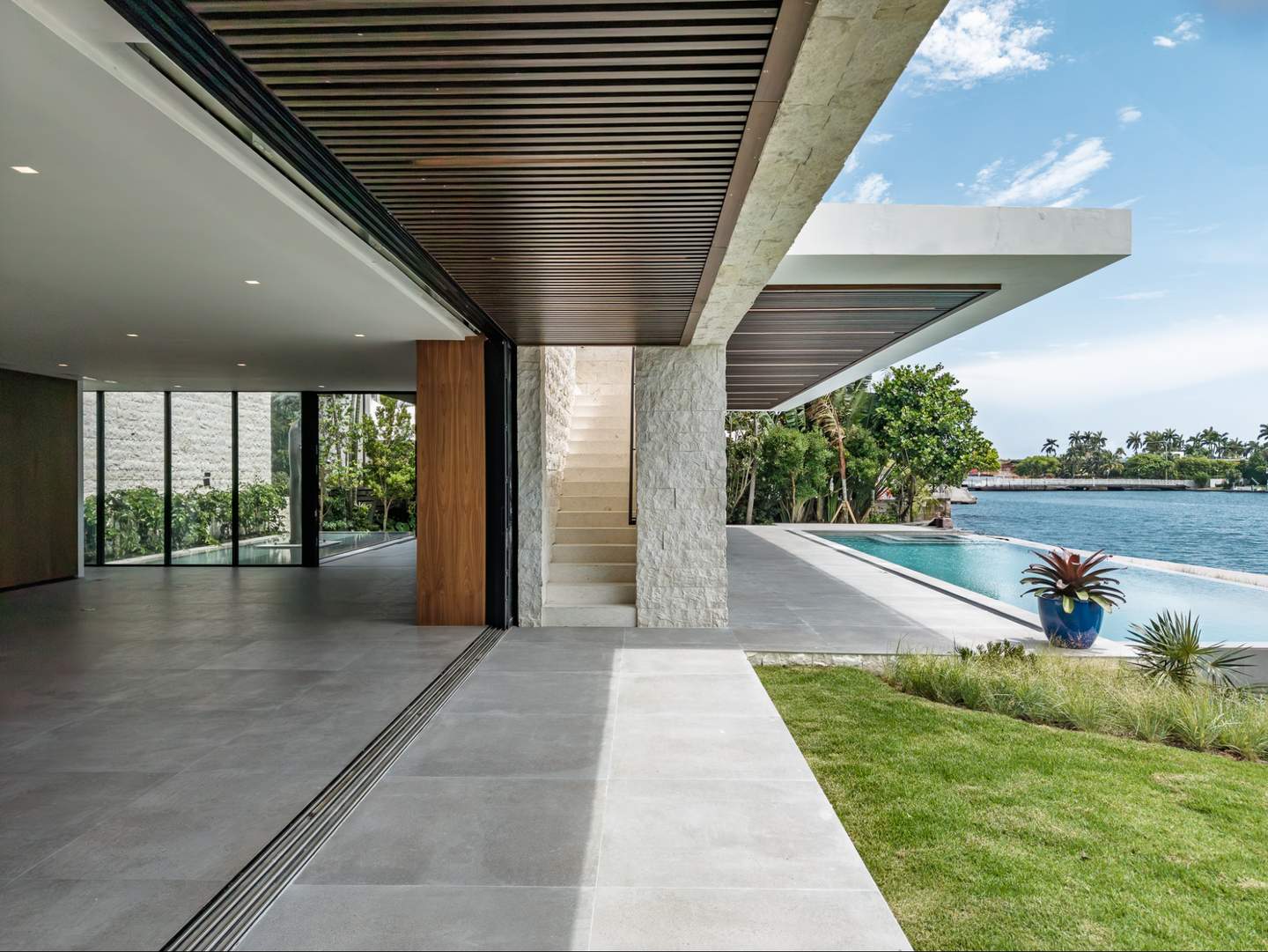
The 7325 Belle Meade commission shows why this matters. The project page describes a contemporary waterfront residence with a private dock, where drone work captured the full scope of the property, including the roofline, the pool's relationship to the canal, and the surrounding waterfront context.
Drone still needs planning. Weather, wind, light, property type, and airspace restrictions can affect whether and how aerial images are captured.
Matterport, 3D Virtual Tours, And Floor Plans
Matterport and 3D virtual tours are not a substitute for strong photography. They serve a different purpose.
Photography persuades. Video gives movement and atmosphere. Matterport gives spatial information. It helps buyers understand layout, room relationships, measurements, and flow. It can also support floor plans and remote decision-making. My Matterport 3D scanning service covers virtual tours, digital twins, floor plans, and related spatial deliverables for real estate and commercial spaces.
This is useful for remote buyers, investors, complex layouts, rentals, multi-level homes, condos, and properties where people need confidence before visiting in person.
Video
Video works when motion, sequence, or personality matters. It can help a buyer understand how rooms connect, how outdoor spaces relate to the house, or how an amenity package feels.
Video can also support real estate professionals who build business through a personal brand. In some cases, the agent may appear in the video or record a voiceover, which makes the piece more like a guided presentation.
Video is especially useful for luxury properties, developer launches, short-term rentals, social media campaigns, and listings where lifestyle is part of the sale. For clients who need motion assets alongside still photography, my commercial video production service covers property walkthrough films, aerial video, brand films, and social content.
Twilight Photography
Twilight photography is most useful when the exterior has something to say after sunset: pool lighting, landscape lighting, warm interiors, waterfront views, city views, or strong architecture.
It should be planned as a separate timing decision, not casually added at the end of a regular shoot. A true twilight image requires the photographer to be there at the right short window of light. That affects schedule and pricing.
How To Choose The Right Media Mix For A Property
Begin with the question "What are these assets supposed to do?"
A property being sold needs a different package from a short-term rental. A builder documenting a finished project needs different images from a Realtor preparing an MLS listing. A developer launching a building may need stills, video, amenities, drone, and broader usage rights.
Use this framework:
| Kind of photography | When to use it |
|---|---|
| Still photography | Use for nearly every property. It is the baseline for listing, web, email, and marketing use. |
| Drone photography | Use when location, lot, water, skyline, driveway, neighborhood, or building context matters. |
| Matterport or 3D virtual tours | Use when layout, measurements, or remote buyer confidence matter. |
| Video | Use when flow, lifestyle, agent branding, or social media distribution matters. |
| Twilight photography | Use when exterior lighting, pool areas, water, or evening atmosphere can change the property's presentation. |
| Floor plans | Use when buyers need a clear understanding of layout, especially in condos, multi-level homes, rentals, or unusual properties. |
A good real estate photographer should also be willing to tell you when an asset is not needed. More media is not automatically better. The right package is the one that matches the property, the audience, and the way the listing will be used.
Miami And South Florida Real Estate Photography Considerations
Real estate photography in Miami has specific challenges. The approach is usually defined not only by the neighborhood but also based on the property.
Waterfront Homes
Waterfront photography needs restraint. Water views matter, but they should not be edited into an unnatural electric blue. Over-saturation is especially obvious in waterfront images because buyers know what Miami water, canals, pools, and bay views look like in real life.
Drone can be useful for showing docks, boats, canals, privacy, setbacks, neighboring homes, and the relationship between the property and the water.
High-Rise Condos
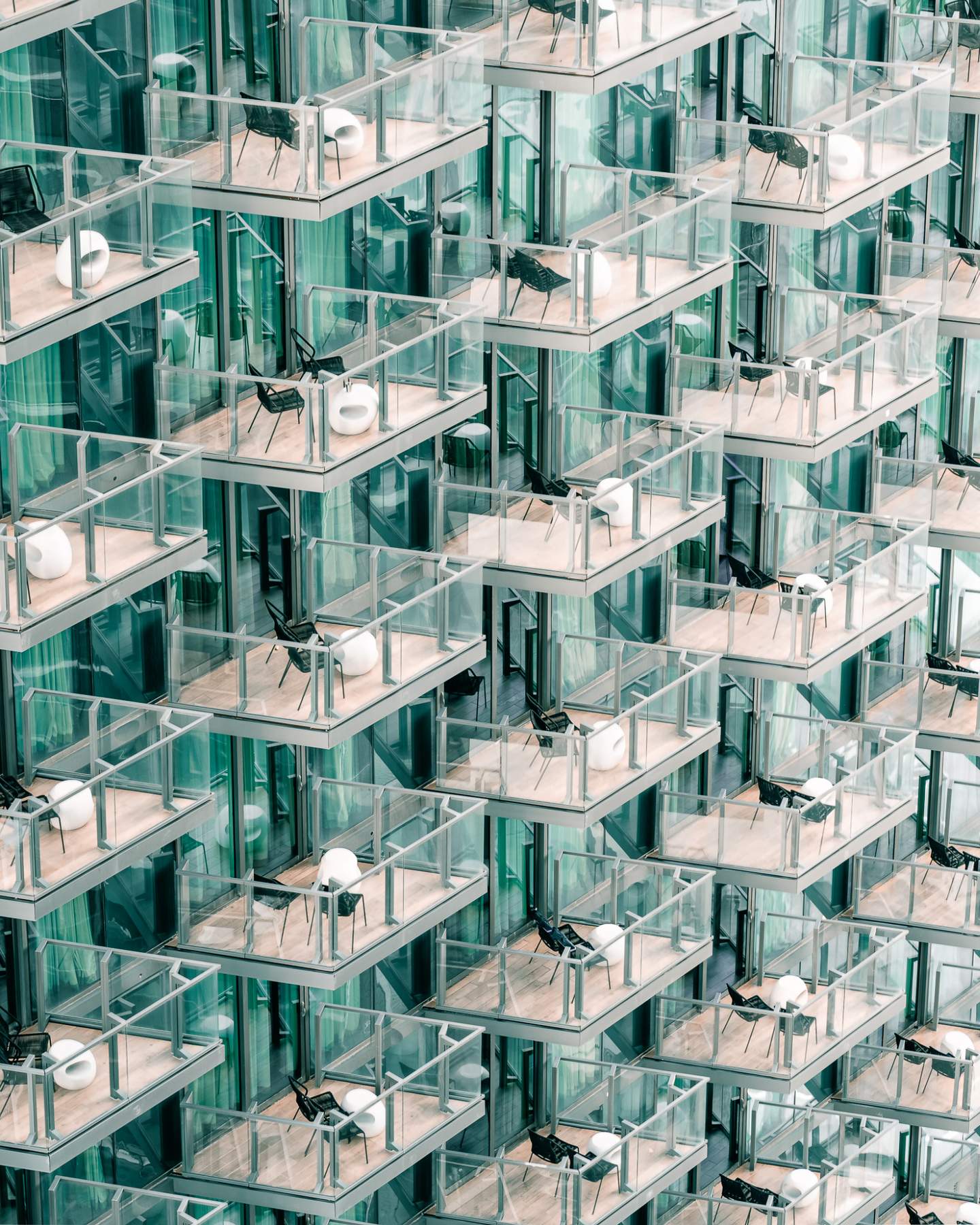
High-rise condos often involve glass, glare, reflections, balcony views, building amenities, elevator access, parking rules, and tight shoot timing. The view may be one of the most important selling points, so window handling matters.
The goal is to show the view realistically. If the window pull looks too perfect, the image can start to feel fake.
Amenities And Shared Spaces
For condos, developments, rentals, and high-end property management, amenities may be part of the value. Pools, gyms, lobbies, rooftops, club rooms, spas, marinas, and outdoor spaces may need their own coverage.
These spaces also require access planning. If the photographer cannot enter the amenity areas or the building has restrictions, the final media package will be incomplete.
Light, Weather, And Drone Restrictions
South Florida light can be harsh. Weather can change quickly. Reflections, humidity, glass, and high contrast can affect how a property photographs.
Drone work also needs practical planning. Some properties may be affected by restricted airspace, especially near airports or certain commercial and industrial areas. This should be discussed before the shoot.
How To Prepare A Property Before The Photographer Arrives
The simplest rule is to remove anything that does not help sell the house.
That includes obvious clutter, small distractions that may feel normal in daily life and distracting in a photograph. Before the photographer arrives, handle:
- Gate codes, lockboxes, alarm codes, parking instructions, elevator access, building approval, and amenity access
- Contact name and phone number for anyone who can solve an access issue quickly
- Clean counters, floors, appliances, mirrors, windows, bathrooms, patios, balconies, pools, and outdoor furniture
- Remove personal items, pet bowls, dog beds, trash bags, cars in the driveway, visible cords, excessive pillows, ratty covers, laundry, and small clutter
- Open or prepare spaces that need to be photographed, including closets, garages, docks, terraces, rooftops, and amenity rooms if they are part of the shoot
- Replace dead bulbs and avoid mixed lighting where possible
This matters because a real estate photographer may arrive alone and work from access codes. The shoot should not depend on someone cleaning, staging, unlocking doors, or moving cars after the photographer is already there.
A photographer can make small adjustments. Moving a chair, straightening a pillow, or refining a room is normal. But a photographer cannot replace cleaning, staging, access coordination, or property readiness.
What Happens On Shoot Day
On shoot day, the property should already be ready.
I typically arrive, turn on lights, open shades when appropriate, walk the property, and get familiar with the layout. If Matterport is included, I often start there because it helps me understand the rooms before photographing them.
The order of work depends on the property and conditions. Interiors, details, exteriors, drone, video, and twilight may be sequenced around light, weather, access, and the assets included in the package.
For larger properties, the workflow is similar, but the time on site expands. More rooms, amenities, views, and deliverables require more planning.
The client-side expectation is straightforward: people, pets, contractors, cleaners, cars, and last-minute staging should be handled before the shoot begins. A 45-minute access issue can disrupt the whole schedule and may force a reshoot.
Editing, Accuracy, And Avoiding Fake-Looking Images
Professional editing should make a property clear, polished, and accurate.
For real estate work, I typically use bracketed exposures and blend them in post-production. This helps balance bright windows, interior shadows, and mixed light without making the image look artificial. For difficult rooms, flash-ambient blending may be added.
This is different from the heavy HDR look many people associate with real estate photos. Bracketed blending uses multiple exposures, but the goal is a natural result: controlled window views, clean shadows, accurate color, and rooms that still feel real.
Good editing should correct exposure, color, vertical lines, window balance, and small distractions. It should not create a property that buyers will never see in the real world.
Removing a loose cable or small distraction is normal. However, changing permanent features, inventing views, making water an impossible color, or replacing a sky in a way that feels fake can weaken trust.
Common Real Estate Photography Mistakes That Hurt Listings
Weak property photography usually fails in one of two ways: it gives buyers too little information, or it tries too hard and stops feeling believable.
Common mistakes include:
- Overly wide images that make rooms look distorted
- Blown-out windows that lose the view
- Fake-looking sky replacements
- Overprocessed HDR
- Oversaturated colors, especially unnaturally blue water in Miami waterfront listings
- Crooked verticals and poor camera height
- Dark corners, muddy shadows, or mixed color casts
- Missing exterior context, amenities, details, or views
- Clutter, pet items, trash, vehicles, and personal objects left in frame
- Choosing a photographer based only on price or a promised photo count
The biggest problem is often sameness. If a property looks like every other over-bright listing in the feed, the images may be technically usable but still weak as marketing.
How Much Does Real Estate Photography Cost?
Real estate photography pricing depends on the property and the scope of work. The price changes based on what needs to be photographed, how the images will be used, and which deliverables are included.
The main pricing factors are property size and complexity, property type, location, the number of final images, total coverage needed, and the deliverables included. A condo, single-family home, estate, rental, commercial property, development, or amenity package can each require a different level of work. Drone photography, Matterport, 3D virtual tours, floor plans, video, twilight photography, editing, retouching, turnaround needs, licensing, and usage can also change the scope.
Twilight is a good example of why scope matters. It often requires a separate return at the correct time of day. It is not the same as asking for one more image while the photographer is already there.
The same is true for extra videos, social media crops, additional photos, or rush delivery. Each asset requires capture, editing, review, and delivery. Defining the scope upfront helps set accurate pricing.
Delivery, Turnaround, Scope, And Licensing
After a real estate shoot, clients should expect a clear delivery process. I typically deliver through an online gallery link, with high-resolution JPEGs, lower-resolution versions for web or listing use, and selected social media crops when included.
For basic real estate shoots, delivery is often in the 48 to 72 hour range. Rush delivery may be available for an additional fee. Larger properties, video, Matterport, twilight, weather issues, heavy retouching, or incomplete capture can affect timing.
Licensing should also be understood before the shoot. In most professional photography arrangements, the photographer owns the images and grants the client usage rights for the agreed purpose. For a listing, that may mean permission to market and sell the property.
Other uses can be different. If a builder, designer, architect, developer, publication, book, award program, billboard, or third-party brand wants to use the images, that should be discussed. Broader commercial use can require separate permission and fees.
How Many Photos Should A Real Estate Listing Have?
There is no universal number of photos every real estate listing needs. The right number depends on the property. A small condo does not need the same coverage as a large waterfront home with a pool, dock, guest house, and amenities.
Volume-based photographers sometimes sell fixed packages with a certain number of images for a fixed price. That can work for basic listings, but it can also make the wrong thing feel important.
More photos is not automatically better. Buyers do not care whether the package promised 20, 35, or 50 images. They care whether the set explains the property. A strong gallery should feel complete, sequenced, and useful without repeating the same angle over and over.
How To Choose A Real Estate Photographer
When choosing a real estate photographer, look at service, judgment, communication, editing style, access planning, delivery, and licensing. Ask these questions before hiring:
- Have you photographed properties like this one?
- How do you handle windows, water, glass, glare, and difficult light?
- Do your images look natural, or do they look heavily processed?
- Do you provide drone, video, Matterport, 3D virtual tours, floor plans, and social media assets?
- How do you handle access, building rules, parking, weather, and rescheduling?
- What is included in delivery?
- What turnaround should I expect?
- What usage rights are included?
- Can third parties use the images?
- How do you decide whether drone, video, twilight, or Matterport is worth it?
Look at full galleries. A portfolio homepage can hide weak sequencing, missing rooms, repetitive angles, or inconsistent editing. A complete gallery shows how the photographer handles the whole property.
My Approach To Real Estate Photography
My approach is built for clients who want more than a quick set of listing photos. The difference is in how the property is understood. My background in furniture catalogs, construction, interiors, and commercial photography helps me understand how rooms, materials, proportions, and details translate into a photograph. For real estate agents, sellers, developers, builders, designers, and rental teams, that means the shoot is approached as property marketing, not just file delivery. To discuss a project or see what a complete package looks like, visit the real estate photography service page.
FAQs About Real Estate Photography
What Does Real Estate Photography Include?
Real estate photography can include interior photos, exterior photos, drone images, detail shots, Matterport, 3D virtual tours, floor plans, video, twilight images, and social media-ready files. The exact package depends on the property and how the assets will be used.
How Is Luxury Real Estate Photography Different From Standard Listing Photography?
Luxury real estate photography usually requires more planning, better timing, more careful composition, more restrained editing, and a broader media package. It may include drone, video, twilight, Matterport, amenities, and detail coverage that would be unnecessary for a basic listing.
How Is Real Estate Photography Different From Architectural Photography?
Real estate photography is usually designed to market a property for sale, lease, or rental. Architectural photography is usually more selective and design-led, often used for portfolios, publications, awards, architects, builders, and designers.
How Much Does Real Estate Photography Cost?
Real estate photography cost depends on property size, location, deliverables, drone, video, Matterport, twilight, editing, turnaround, and licensing. This article does not publish fixed numbers because pricing should match the scope of the shoot.
When Is Drone Real Estate Photography Useful?
Drone real estate photography is useful when location, water, lot size, privacy, skyline, driveway, neighborhood context, or building scale matters. In Miami and South Florida, drone can be especially useful for waterfront homes, estates, high-rises, and development sites.
Real Estate Photography
Explore real estate photography
Listing and development photography built around the spaces, details, and context that help properties stand out.
View real estate photographyTags