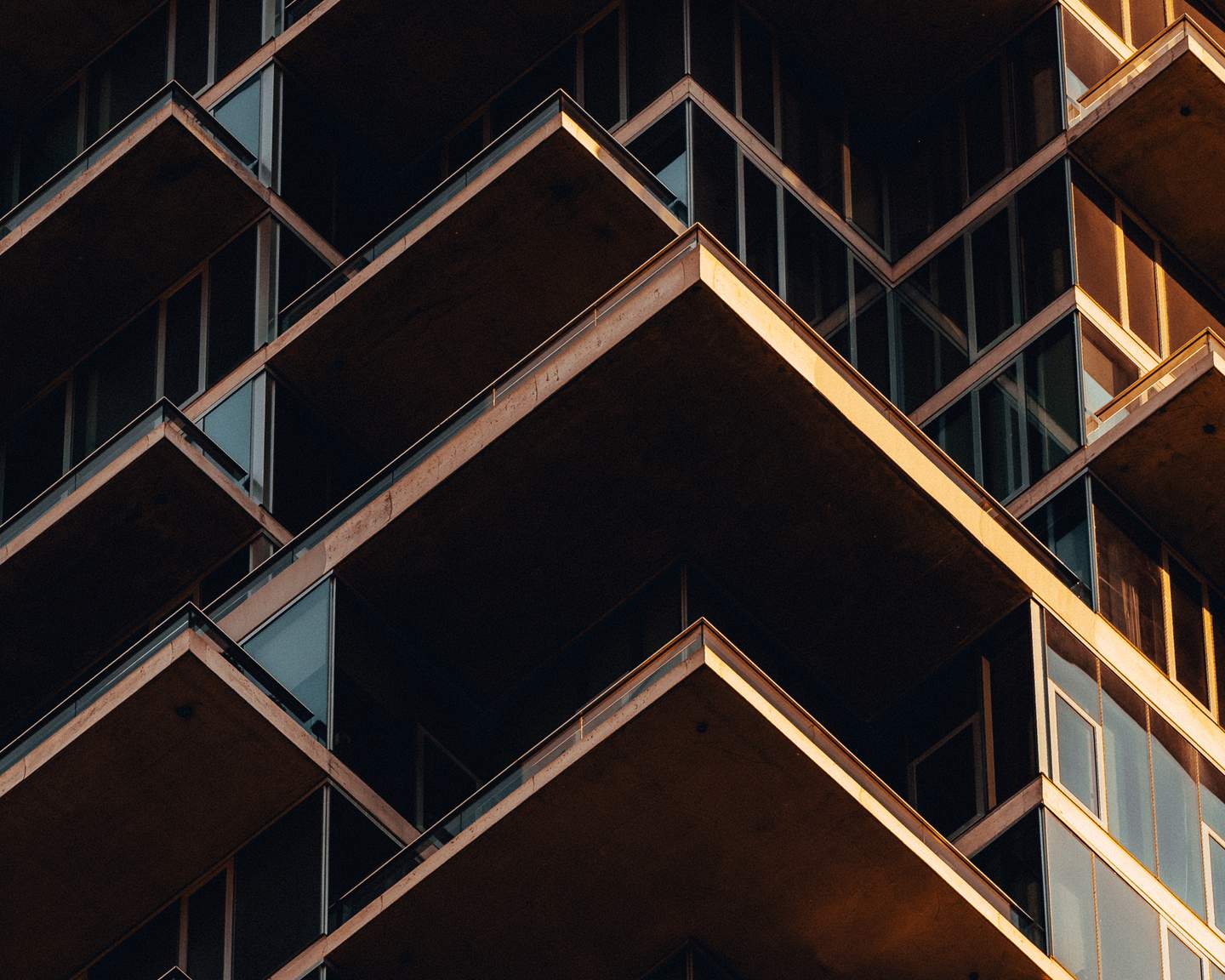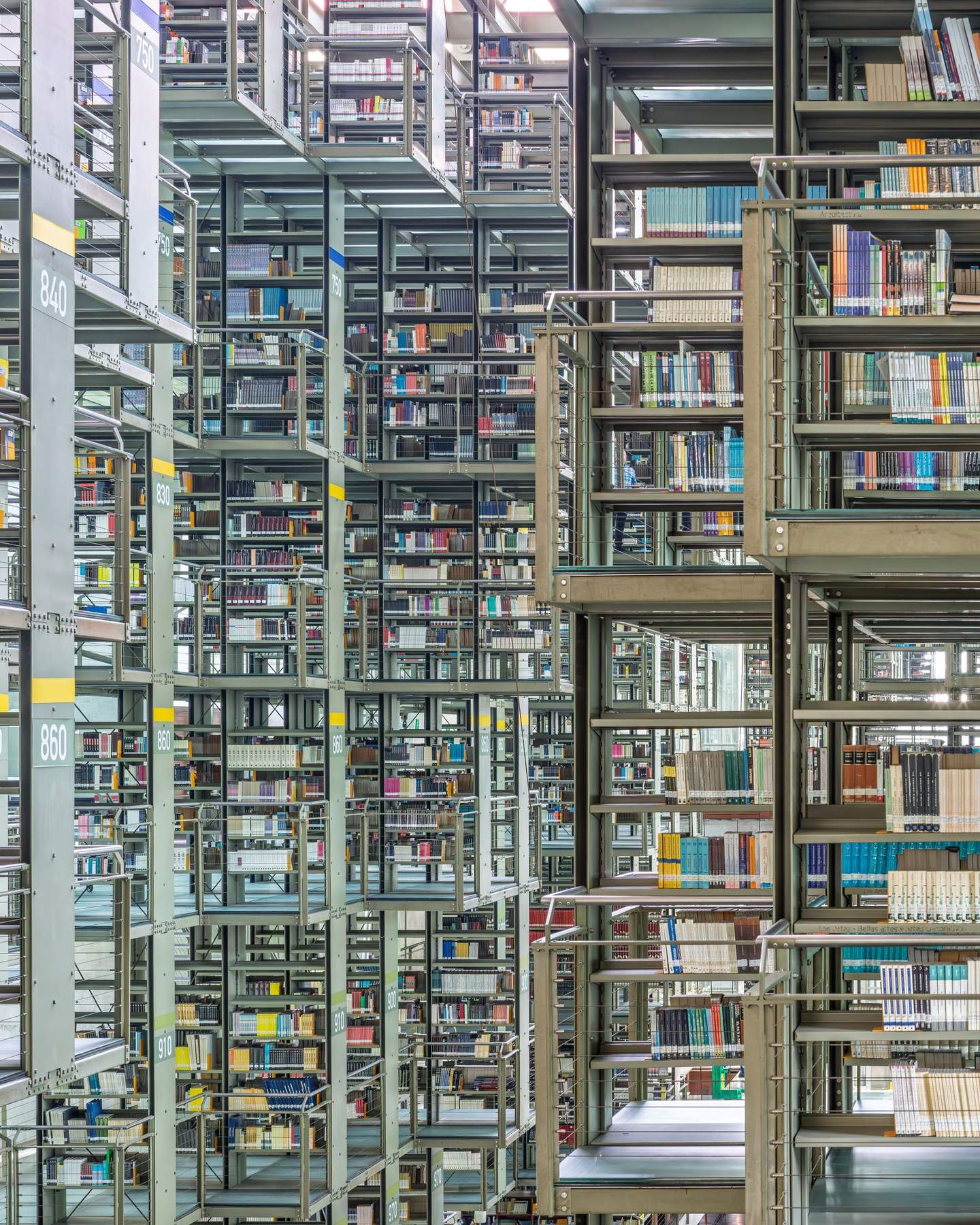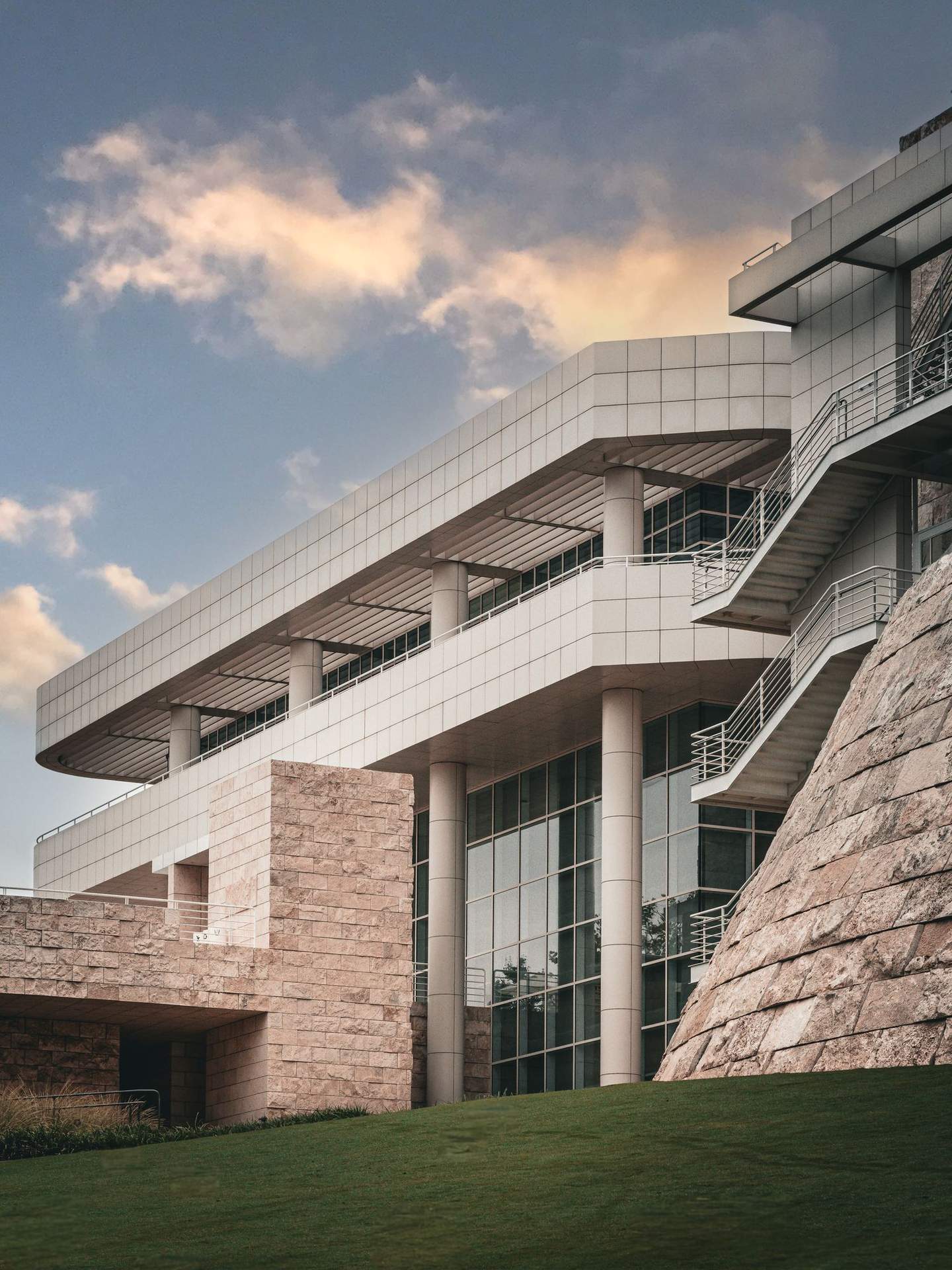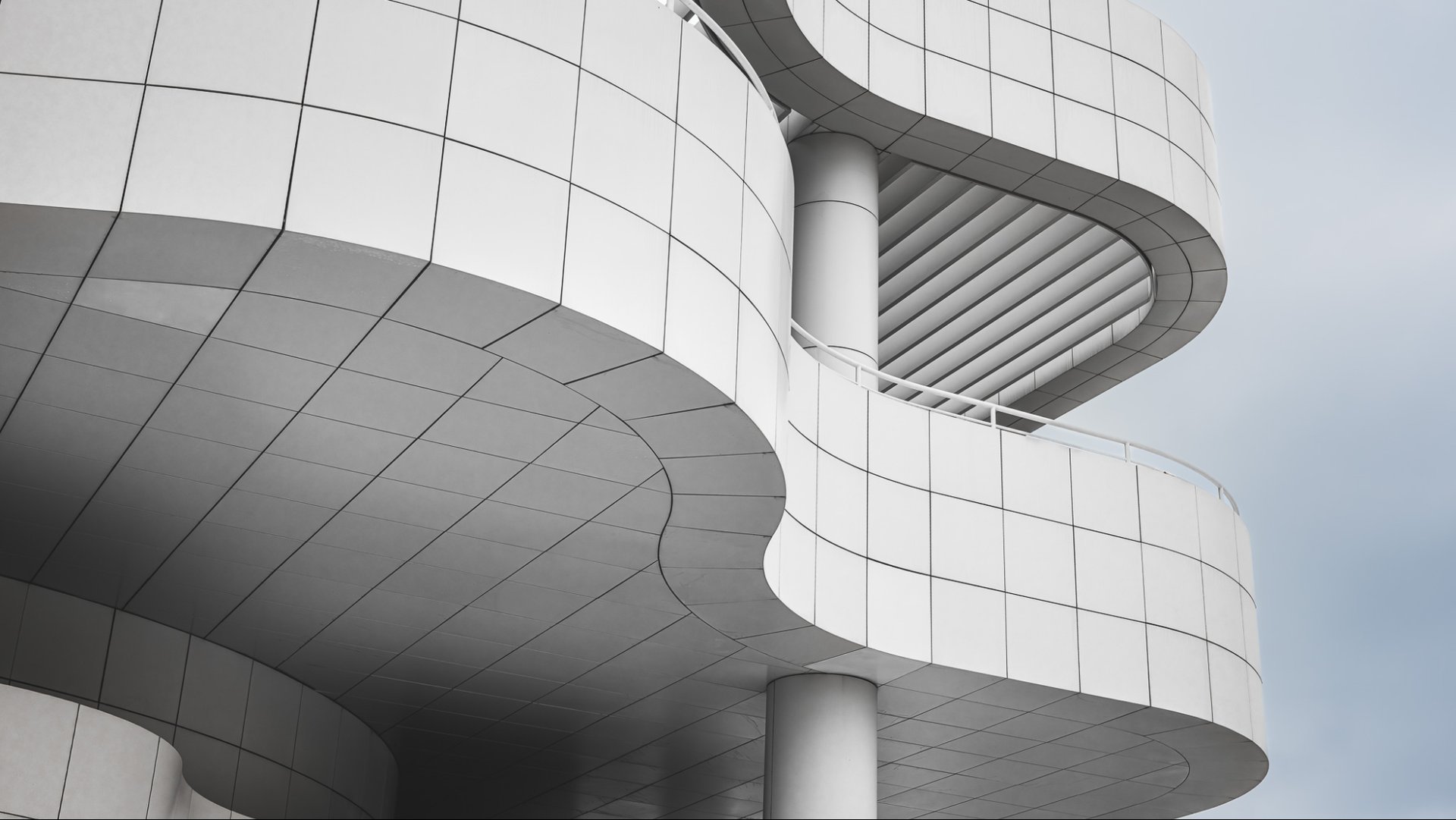
Architectural photography is the process of translating a completed three-dimensional space into a set of intentional two-dimensional images. It is different from walking through a property and documenting every room.
Good architectural photography has to communicate what was built, why it was designed that way, how the materials work together, how natural light moves through the space, and what the finished project feels like. For an architect, designer, builder, developer, hospitality group, or property owner, these images become the way other people understand the project before they visit it, publish it, award it, or hire the team behind it.
Visual appeal is an important part of architectural photography, but it is only one layer. Strong images also show how an architect’s design vision has been realized in the finished space.
This guide explains how architectural photography differs from related services, why it takes a more deliberate process, what clients should prepare, and how the final images can be used.
How Architectural Photography Differs From Real Estate, Interior, Hospitality, And Construction Photography
While categories overlap, at the end of the day, they all involve photographing a structure or space. What changes is the purpose of the images, the pace of the shoot, the final deliverables, and the way the space is interpreted.
Real estate photography is usually tied to a sale, lease, rental, or listing campaign. It needs to explain the property clearly: layout, room count, flow, features, views, amenities, and buyer-facing details. It is built around broad coverage and buyer clarity.
Architectural photography is usually more selective. It may be created for an architect, builder, designer, publication, award submission, developer campaign, or portfolio. The shoot is slower, more controlled, and more dependent on exact light, composition, material accuracy, perspective control, and intended usage.
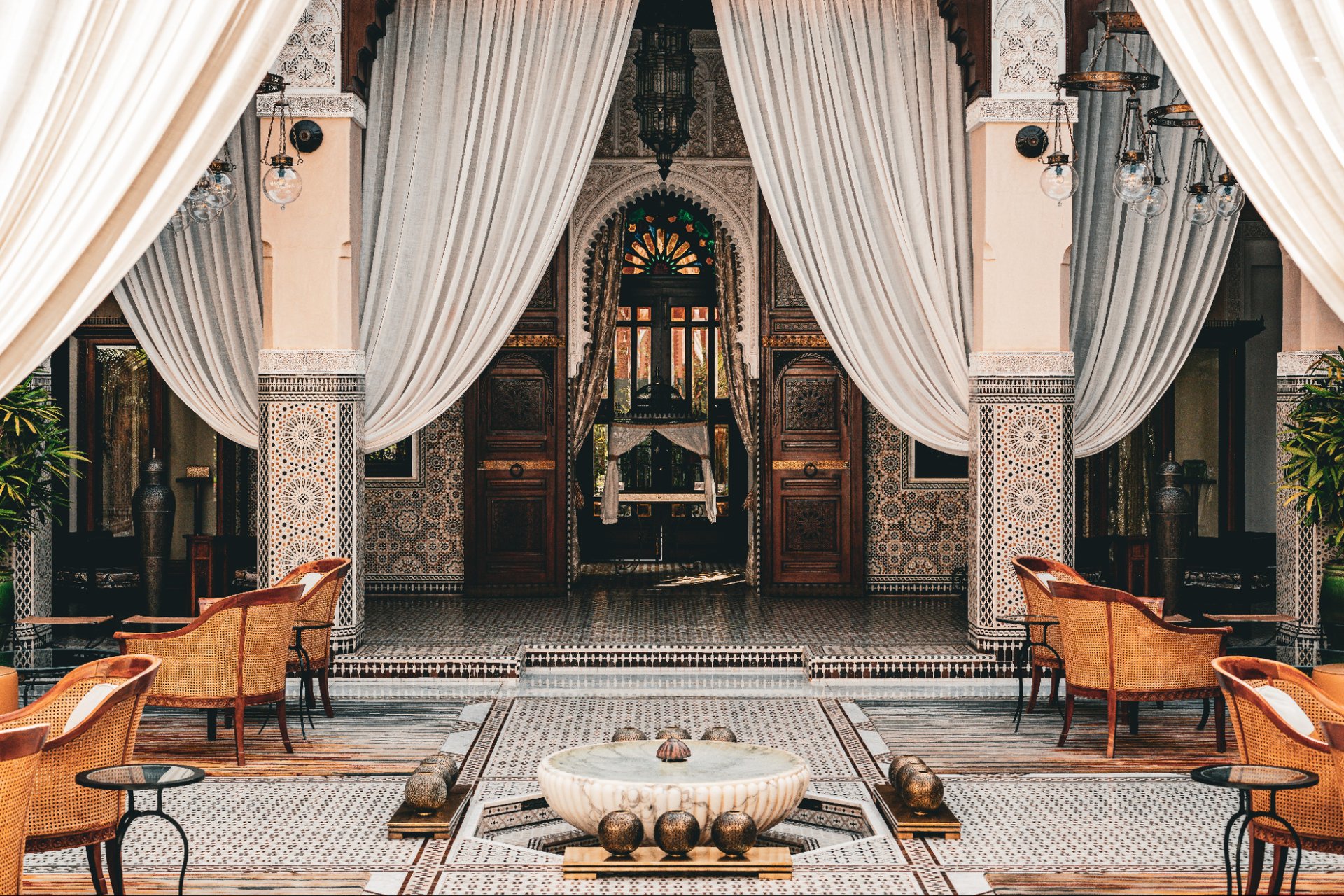
Interior design photography overlaps closely, but it often shifts attention toward furnishings, finishes, styling, texture, color, lighting fixtures, and the elements an interior designer added to the space.
Hospitality photography may include architectural and interior images, but the final goal is often experiential. A hotel, restaurant, bar, private club, spa, or amenity space needs images that help a guest imagine being there.
Construction documentation records progress, status, or completion. It is not the same as a finished architectural shoot where every frame is composed, styled, lit, and retouched with the final presentation in mind.
The way I see it, all real estate is architecture, even when it is not spectacular or highly designed. The difference is not always the subject, but the goal and the standard of attention.
Why Architectural Photography Takes Longer And Produces Fewer Images
Image count is one of the biggest differences between real estate photography and architectural photography. It may make sense to deliver 40, 50, or more images in a real estate shoot where the buyer needs broad coverage: rooms, flow, exterior, amenities, views, and features.
For architectural photography, however, the same property might only need 8 or 10 final images. Sometimes more are needed, but the point is not volume.
The key question is whether the final image set communicates the project clearly, accurately, and at the level it deserves.
Each architectural frame is more intentional. A single image might take 45 minutes or an hour to prepare before the camera is even triggered. Furniture may need to move, a cord may need to disappear, the camera may need to shift a few inches, and artificial light may need to be built into the scene.
To someone on site, it may look like progress is slow. But the small changes are the work. Every adjustment affects the final image.
Who Uses Architectural Photography, And Why?
Architects use it for portfolios, award submissions, publications, advertising, websites, credentials, project documentation, and future commissions. A finished building may be experienced by only a limited number of people in person, but the photographs can travel much farther across the built environment.
Interior designers use architectural and interior photography to show color, texture, materials, furnishings, lighting fixtures, styling decisions, and finished design details. For them, the image has to respect the mood of the room and the choices that created it.
Developers and property marketers use architectural photography to communicate spaces to buyers, investors, tenants, brokers, and out-of-town or international audiences. Sometimes a final photograph is used to match the angle of an original rendering, showing how closely the completed project delivered on the design studio's vision.
Builders and contractors use images to show workmanship. Millwork, stone, flooring, windows, lighting, joinery, and custom details can all become proof of what the team is capable of, especially on a custom home or high-end renovation.
Hospitality clients use photography to sell the experience of a property. A restaurant, hotel, bar, private club, pool deck, spa, or lobby is not only a physical space. It is part of the reason someone decides to book, visit, or spend money there.
Owners may commission architectural photography because they have spent years creating a home or property and want a lasting record of it.
There is also another audience: vendors and subcontractors. An architect may commission the shoot, but the millwork company, stone supplier, flooring installer, window vendor, bathroom fixture company, lighting vendor, or landscape team may also want to license the final images for their own marketing.
A strong image set keeps working for years. It can live on a website, in a proposal, on social media, in a brochure, in an award submission, in a publication pitch, in an office print, or in a vendor's portfolio. In that sense, a high-quality photograph becomes one of the client's best ambassadors.
The 7325 Belle Meade commission shows this kind of use clearly: the project needed interiors, exteriors, details, and aerial views to communicate how a waterfront home is experienced, not just what it looks like.
What Strong Architectural Photos Should Communicate
Strong architectural photography should make the project understandable without flattening it into ordinary documentation.
The final image set should communicate:
- Design intent: what the architect, designer, builder, or developer was trying to achieve.
- Geometry and proportion: the space should feel straight, balanced, and properly scaled.
- Light: natural and artificial light should help shape the image, not wash it flat.
- Materials: stone, wood, metal, glass, concrete, textiles, and finishes should read accurately.
- Craftsmanship: details, joinery, millwork, fixtures, and architectural elements should not disappear.
- Spatial flow: the viewer should understand how spaces relate to each other.
- Context: the image should show how the project relates to its site, view, landscape, street, water, or skyline when that matters.
Composition and light are the two major ingredients. A beautifully lit image with poor composition will still feel weak. A strong composition can carry an image even when the light is not perfect.
Camera height also matters. A camera placed too high, too low, or pointed casually into a room can change how the space feels. Vertical lines should generally look vertical unless the angle is a deliberate creative decision. When a building or room looks slightly off, clients may not know why, but they feel it.
Material Accuracy, Color, And Retouching
Architects and designers make precise decisions about color and material. Photography should not undo those decisions.
On architectural and interior shoots, I use color cards as a reference at the beginning of a room or space. That gives me a reliable white-balance reference later in post-production, so the colors in the final images stay as accurate as possible.
Small differences in tone can change the way stone, wood, paint, fabric, metal, glass, or lighting fixtures are perceived. A designer may have spent weeks choosing between two close shades. The photograph should not casually turn one into the other.
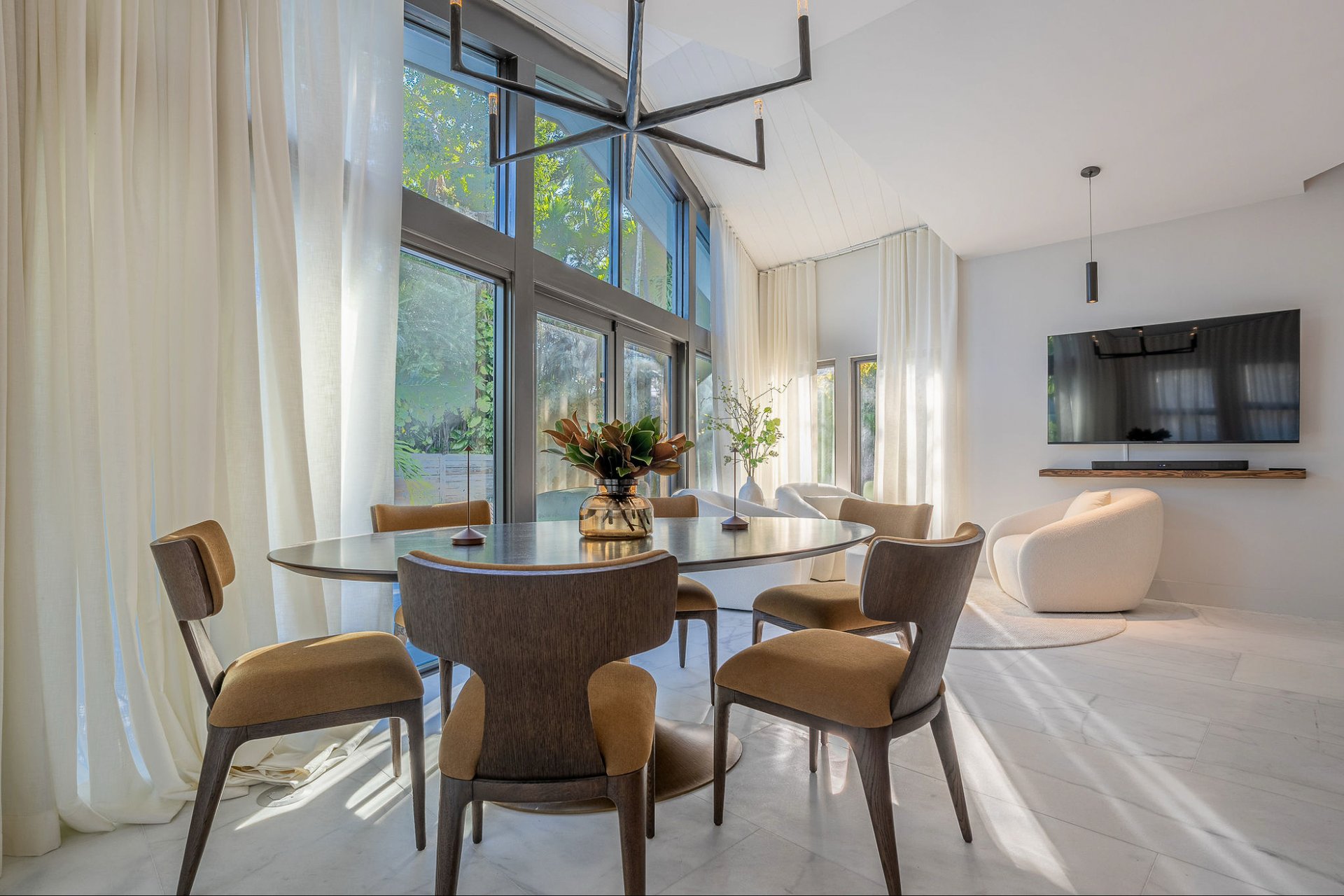
Retouching should support the image, not rescue it. In many of the strongest architectural photographs, the heavy work happened in the physical space before the final edit: moving objects, controlling reflections, shaping light, choosing the right camera position, and waiting for the right moment.
Normal refinements can include perspective correction, color correction, removing temporary distractions, cleaning up cords or smoke detectors, managing reflections, and balancing the view through windows. Window-view balancing is often necessary because the camera cannot always capture a bright exterior view and a properly exposed interior in one natural-looking frame.
That is different from fake-looking sky replacement. My preference is to plan the shoot so the sky is captured properly in camera. If someone is investing in architectural photography, the final image should not feel artificial.
How To Prepare For An Architectural Photography Shoot
Architectural photography works best when the project is truly ready.
The ideal condition is simple: the space is completed, fully furnished, fully styled, clean, and not yet disturbed by regular use. Construction should be finished, furniture installed, surfaces clean, glass clear, lights working, landscaping ready, exterior spaces presentable, personal items removed, and temporary construction material gone.
It is easy to stop seeing clutter when you live or work in a space every day. The camera sees it immediately. A cable, a small appliance, a stack of papers, a trash bin, a vehicle, an unfinished corner, or a smudge on glass may seem minor on site, but it can weaken the final frame.
As a client, it also helps to clarify the purpose of the images. Are they for a portfolio, award submission, publication pitch, developer launch, hospitality campaign, sales material, owner keepsake, or vendor licensing? The intended use affects the shot list, final image count, file formats, and licensing.
Useful planning materials may include drawings, renderings, a design brief, a preferred shot list, access instructions, deadlines, and any spaces or details that must be captured. If a final photograph has to match an original rendering angle, that needs to be known before the shoot.
If the project is not ready, a full architectural shoot is the wrong service. If the goal is to show the space while it is being built, that belongs to construction documentation.
What Happens On Shoot Day?
Architectural shoots often start early. Sometimes that means arriving at dawn, or even before the sun comes up, so the camera is ready for the right exterior light, dawn atmosphere, or the first way sunlight hits the property.
Once on site, I usually walk the space first. I want to understand the layout, see what the light is doing, and get a sense of where the strongest images may be. I may walk around with the camera and look through the viewfinder without taking photos, because compositions often reveal themselves that way.
There is usually a shot list, but the shoot has to remain flexible. A room may receive unexpected light, a view from a mezzanine may become more interesting than expected, or a client-priority detail may need more attention once we see how it photographs.
I like to start with the hardest images when possible. A difficult shot might require moving furniture, removing objects, building artificial light, dealing with reflections, or shaping the frame through many small adjustments. Getting those shots done early creates more breathing room for the rest of the day.
For first-time clients, the pace can be surprising. It may seem like the shoot is not moving quickly, but the refinements are the point. Architectural photography is slower because the image is being built.
For active hospitality or public spaces, the workflow also has to respect the business. In a hotel, restaurant, club, or amenity space, the goal is to work with a light footprint: stay discreet, coordinate around operations, and avoid becoming a burden.
People, Drone, Twilight, Video, And Matterport
Not every architectural shoot needs the same supporting assets.
People can add scale, life, and context, but they should be used carefully. Sometimes a small human presence helps the viewer understand how a space is used. Sometimes it distracts from the design. Informal stand-ins are often assistants or clients on the day, so this does not always require a separate model production.
Drone and aerial photography are useful when they show something the ground cannot: roof design, skylights, a sun deck, waterfront context, scale, landscape, or how the building sits in its environment. Drone is not automatically valuable. If tree canopy hides the property, the aerial view may not help.
Twilight can be important when exterior lighting, glass, pools, terraces, indoor-outdoor living, or evening atmosphere are part of the architecture.
Video can be useful when movement, sequence, or experience matters. Matterport can be useful for spatial documentation, but I do not see it as a core artistic architectural photography deliverable.
After The Shoot: Deliverables, Proofing, Licensing, And Vendor Use
Delivery depends on the scope. Some clients know exactly which images they want and ask for a specific number of finished photographs from a defined shot list. Others prefer to receive a proof gallery, review the options, and select the images they want fully edited.
Proofs are images lightly corrected so the client can judge the composition and perspective, but the full retouching happens after selections are made.
Final files may include high-resolution images, web versions, landscape and portrait crops, social media crops, and specific file sizes or formats depending on how the images will be used.
Licensing should be discussed before the shoot or before final delivery. In simple terms, licensing answers four questions:
- Who can use the images?
- Where can they use them?
- How long can they use them?
- For what purpose?
Standard included usage usually covers the client's own website, portfolio, social media, brochures, catalogs, printed office materials, and internal marketing. Broader usage, such as outside publication, advertising, editorial submission, or third-party use, may require extended licensing.
Architectural projects often involve many contributors. The primary client may be the architect, but the builder, interior designer, millwork company, flooring installer, window vendor, stone supplier, fixture company, lighting vendor, or landscape team may also want image rights.
That does not mean everyone automatically receives the same rights. Each party may need a different license based on how they plan to use the images. This is one of the practical advantages of planning licensing properly: a single shoot can support multiple businesses connected to the same project.
What Makes Architectural Photography Different In Miami And South Florida?
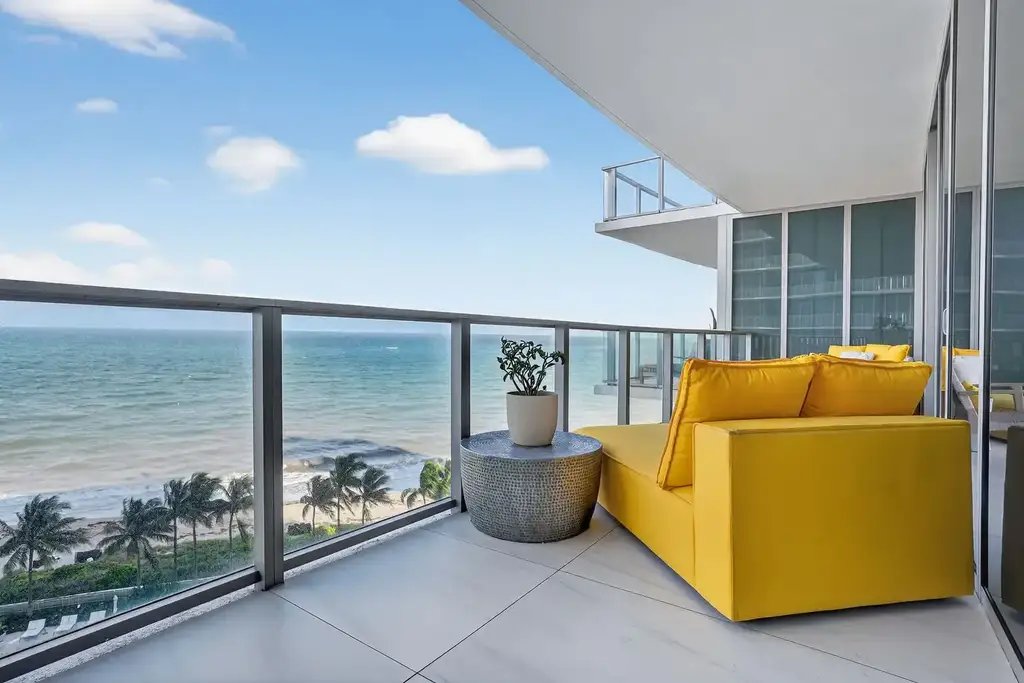
A lot of architecture in South Florida is built around indoor-outdoor living. There is often glass, water, terraces, pools, lush foliage, bright sun, white interiors, and strong reflections. Floor-to-ceiling windows can create beautiful views and difficult exposure problems at the same time.
Waterfront properties bring their own challenges. Reflections, glare, docks, pools, and exterior light all affect the final image. Bright sun and heat make timing more important when the goal is to preserve mood, contrast, and material accuracy.
There is also a practical Miami issue that does not show up in generic photography advice: nearby construction. You may be photographing a finished home while the property next door has cranes, dumpsters, debris, or unfinished work creeping into the frame. That affects camera position, timing, retouching, and what can realistically be shown.
Good architectural photography in Miami is not just about making the city look attractive. It is about handling glass, light, water, foliage, weather, and visual distractions in a way that lets the architecture read clearly.
The 6380 SW 69th St commission is a good example of this kind of local context: a rare Alfred Browning Parker residence in Miami, where the photography needed to respect the architecture, landscape, light, and outdoor living areas together.
How Much Does Architectural Photography Cost?
Architectural photography cost depends on scope. A simple project with a small number of final images is very different from a multi-day shoot with interiors, exteriors, drone, twilight, video, extensive retouching, publication usage, and multiple licensing parties.
The main pricing factors include:
- Number of shoot days
- Number of finished images
- Project complexity
- Location and access
- Styling or preparation needs
- Lighting complexity
- Retouching needs
- Drone, twilight, or video
- Proofing workflow
- Usage rights and licensing
- Publication, advertising, or third-party use
- Vendor or subcontractor licensing
The right price comes from understanding what needs to be photographed, how the images will be used, who needs rights, and what level of finish the project requires.
Unlike real estate work, where fast turnaround often matters, architecture clients typically care more about quality, precision, and the final image set than delivery speed.
How To Choose An Architectural Photographer
When choosing an architectural photographer, look beyond a few highlight images. Review full project galleries if possible. Look for straight verticals, natural perspective, accurate color, controlled window views, thoughtful compositions, material detail, and consistency across interiors, exteriors, and details. A strong professional photographer should show that consistency across more than one project.
Ask how the photographer plans a shoot:
- Do they ask about the intended use of the images?
- Do they understand portfolio, award, publication, developer, hospitality, and vendor usage?
- Do they discuss access, timing, styling, retouching, file delivery, and licensing?
A good commercial photographer should also be willing to tell you when a simpler service is enough. Not every space needs a full architectural shoot. If the project is basic, unfinished, or only needs progress documentation, a lighter approach may be more appropriate.
To review full project galleries and discuss your next project, visit the architectural photography service page.
FAQ
Why does architectural photography take longer than real estate photography?
Architectural photography is slower because each final image is composed, styled, lit, refined, and edited with more intention. The goal is a smaller set of images that communicates the design, materials, light, and finished quality of the project.
How many images should I expect from an architectural shoot?
It depends on the project. A real estate shoot may deliver 40, 50, or more images. An architectural shoot may deliver a smaller set, such as 8 or 10 highly finished images, or more if the scope requires it.
Do architectural photos need people in them?
Sometimes. People can add scale and life, especially in hospitality or commercial spaces. For some architecture or interior projects, an empty or lightly inhabited space keeps attention on the design.
How much does architectural photography cost?
Cost depends on scope, shoot days, finished image count, complexity, retouching, drone, twilight, video, location, access, and licensing. The best way to price a project is to define the intended use and deliverables first.
What should clients know about architectural photography in Miami?
Miami projects often involve residential architecture, bright sun, water, glass, reflections, indoor-outdoor living, floor-to-ceiling windows, lush landscaping, and nearby construction. Those conditions affect timing, camera position, exposure, retouching, and shot planning.
Architecture Photography
Explore architecture photography
Publication-grade architectural photography for design firms, developers, and interiors teams across South Florida and beyond.
View architecture photographyTags