
In e-commerce, your product photography IS your product. Customers can't touch, hold, or try your products; they can only see them through the images you provide. This makes product photography the single most influential factor in purchase decisions, return rates, and brand perception.
The Data: Why Product Photography Drives Revenue
The strongest e-commerce product pages remove uncertainty at the point of purchase. Clear, accurate images help shoppers understand scale, color, material, texture, and use before they commit, while considered lifestyle photography gives the product a memorable context.
What Strong Product Photography Does
Shows the product clearly from useful angles • Makes scale, color, and material easier to judge • Demonstrates the product in context • Builds a consistent visual language across the catalog • Sets accurate expectations before delivery
Functional vs. Emotional Photography
Professional product photography serves two distinct purposes: functional and emotional. Functional images provide the clear, accurate visual information customers need to make a purchase decision: size, color, material, detail. Emotional images create desire by showing the product in aspirational contexts, lifestyle settings, and use cases that help customers envision ownership.
For e-commerce success, you need both. A product page with only white-background functional images feels clinical and uninspiring. A page with only lifestyle images leaves customers uncertain about what exactly they're buying. The most effective product pages combine both approaches.
The Optimal Product Image Sequence
- Hero shot: the product at its most aspirational angle, styled and lit to create desire
- White-background clean shot: clear product isolation for e-commerce platforms
- Scale shot: product shown with a reference object or in-hand to communicate size
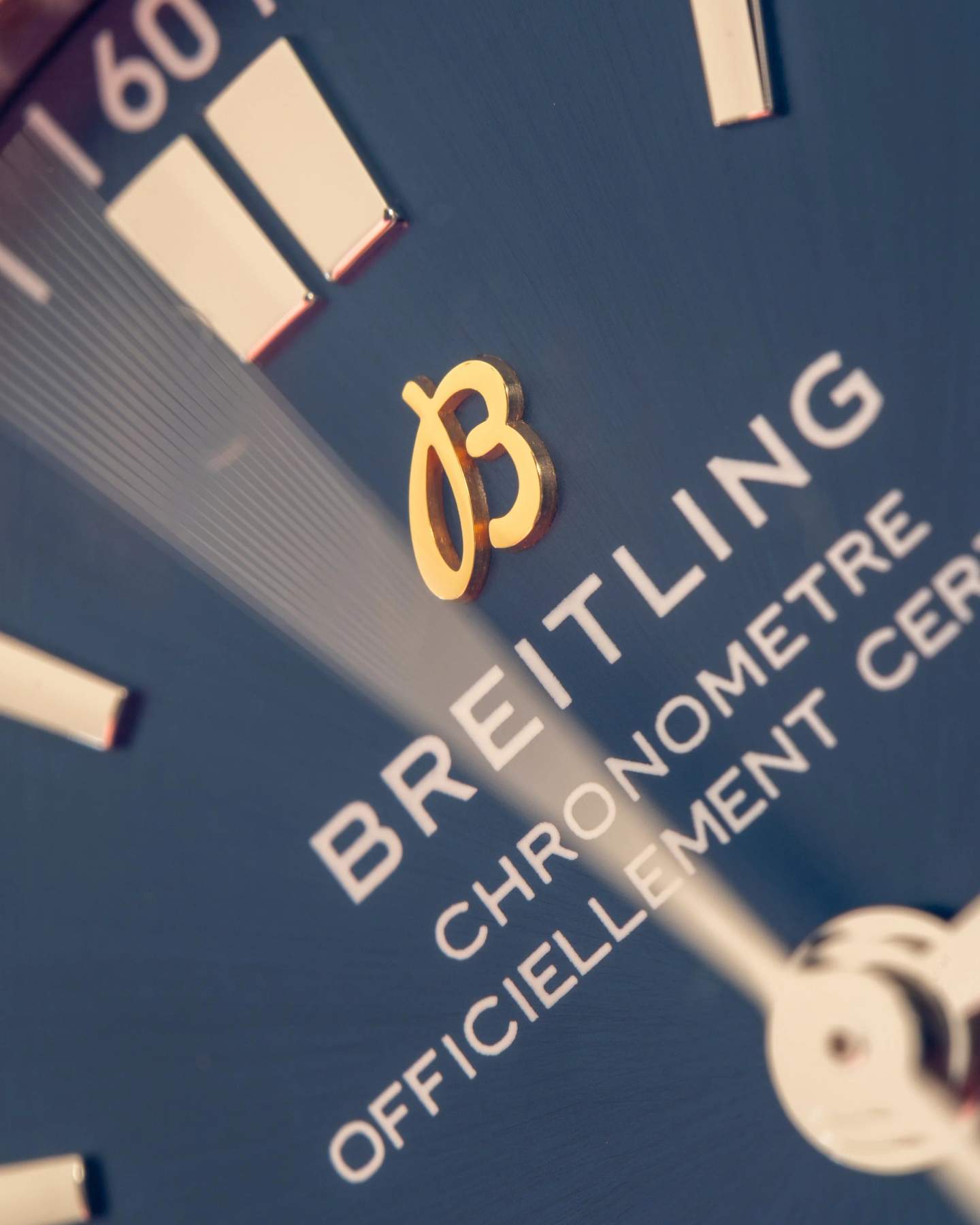
- Detail shot: close-up of material quality, texture, stitching, or unique features
- Alternate angle: 3/4 view or back view that shows the complete product
- Lifestyle shot: product in use, in context, showing the experience of ownership
- Group/collection shot: product shown with complementary items for cross-sell potential
Lighting: The Most Critical Technical Factor
Different products require fundamentally different lighting approaches. Getting this wrong doesn't just produce bad photos; it actively misrepresents your product and drives returns.
- Reflective products (glass, metal, jewelry): controlled specular highlights, tent or strip lighting, careful angle management to avoid hot spots
- Textured products (fabric, wood, leather): directional side lighting that reveals surface detail and creates depth
- Transparent products (glass, liquids, resin): backlit or mixed-light approaches that show both the product and its contents
- Matte products (ceramics, rubber, stone): soft overhead lighting with subtle directional fill for dimension
- Food products: directional backlighting or side lighting that creates depth, texture, and appetite appeal
Food Photography: A Specialized Discipline
For food photography specifically, the challenge is capturing sensory information through a visual medium. The best food photography triggers taste memories: the glossy sheen of a glaze, the flaky layers of pastry, the vibrant colors of fresh ingredients, the steam rising from a hot dish.

This requires not just photographic skill, but collaboration with food stylists who understand the specific techniques that make food look its best under studio conditions. From glycerin sprays that simulate condensation to carefully arranged garnishes that create compositional balance, food photography is as much craft as art.
"Color accuracy is non-negotiable in product photography. If a customer orders a navy blue shirt based on your product photo and receives something closer to black, you've lost that customer's trust, not just that sale."
Color Accuracy and Calibration
Color accuracy is non-negotiable in product photography, especially for e-commerce. We use calibrated monitors, controlled lighting with precise color temperature, and reference targets to ensure colors in our images match the actual products within professional tolerances. This dramatically reduces return rates and builds customer confidence.
Consistency: The Key to Brand Perception
Consistency matters enormously for brand perception. Every product in your catalog should be photographed with the same quality standards, lighting approach, and visual language. Inconsistent product photography (mixing styles, quality levels, or approaches) signals amateur operations and undermines customer confidence.
We maintain detailed lighting diagrams and shot specifications for every client, ensuring that products photographed months apart maintain the same visual consistency. Whether you're adding 5 new SKUs or 500, every image will match your established visual identity.
Platform-Specific Optimization
Image Specs by Platform
Amazon: 2000×2000px minimum, pure white (#FFFFFF) background, product fills 85% of frame • Shopify: 2048×2048px square format, consistent background across collection • Instagram Shopping: 1080×1080px with lifestyle context • Website hero: 2400px wide minimum, lifestyle or styled context
Each e-commerce platform has specific requirements and best practices for product imagery. We deliver comprehensive asset packages optimized for every platform you sell on, because an image optimized for Amazon will not perform well on Instagram, and vice versa.

Your products deserve photography that converts. Whether you're launching a new brand, refreshing your catalog, or scaling your SKU count, let's discuss how professional product photography can drive measurable revenue growth for your e-commerce business.
Product Photography
Explore product photography
Studio and on-location product imagery for e-commerce, advertising, packaging, and food & beverage brands.
View product photographyTags